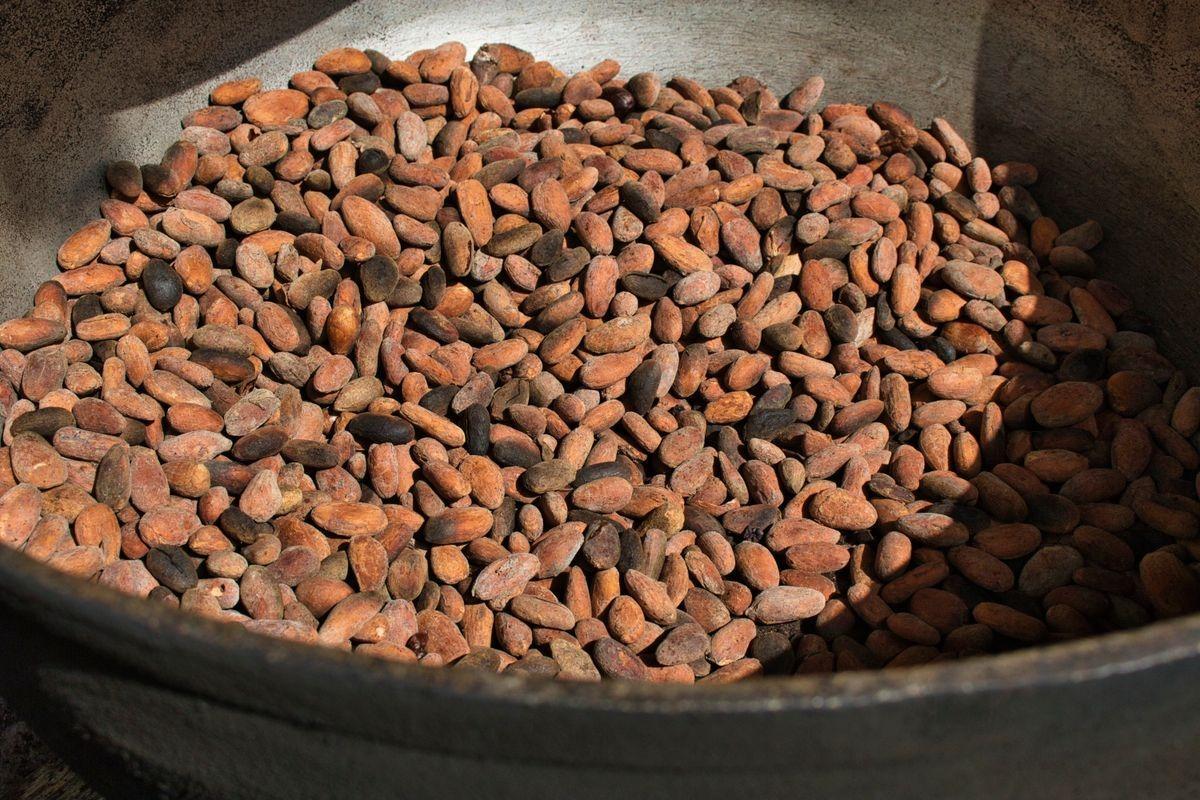


Some names describe a visible material, while others describe how a category is defined. Resin is a good example because it can evoke sticky amber, natural tree sap, or a glossy surface, but its meaning in a technical catalogue is more specific. To understand live resin digital art characteristics, we need to separate category terminology from ordinary visual analogy. Our guide to digital-art labels and formats introduces that difference at a wider level. Here, we focus on what readers can reasonably learn from names such as live resin digital art, rosin digital art, and cured material digital art. Live resin digital art texture is one part of the conversation, yet appearance alone cannot prove a complete origin story or quality ranking. Clear terminology makes the subject approachable without providing preparation methods.
Why the Word Live Matters in Category Language
In a technical context, live resin digital art refers to representations of a category whose name is associated with particular source-material and processing distinctions. The word live does not mean that a substance is living in an ordinary biological sense. It serves as a category label, and a careful writer should explain that label without pretending a photograph can independently verify production details. The distinction between a term and a visible property is important: one relates to documented category conventions, while the other relates to what an observer can see.
Our discussion deliberately avoids processes and instructions. It is enough to recognize that related extracts digital art may be described using different labels, while the word resin also has broader meanings outside this context. A viewer looking at golden glass or tree sap may recognize a texture analogy but should not mistake that resemblance for proof of what a pictured material is. A category becomes easier to understand when its definition and its appearance are treated as separate pieces of information rather than interchangeable descriptions.
Aromatic Composition in Everyday Terms
Many descriptions of live resin digital art use aromatic vocabulary because readers are familiar with fruity, herbal, piney, and floral comparisons. Real plant aromas can involve numerous constituents acting together, so one descriptive word is rarely sufficient. A 2025 research review of aroma and flavor diversity discusses this chemical complexity, including terpenes and several other classes of volatile compounds. That research provides scientific context for sensory terminology; it should not be used as proof that a particular digital-art label corresponds to one fixed measurable composition.
Aromatic composition in live resin digital art is best introduced as a topic of description, not a promise of effects. Citrus-like may evoke rind or juice, while woody can refer to bark, cedar, or dry timber. Even when two writers use the same word, their reference points can differ. Technical measurements require actual samples and validated methods. Descriptive writing, by contrast, helps people understand the vocabulary appearing on labels. Keeping that boundary visible makes the explanation accessible to beginners without converting a sensory comparison into a scientific claim it cannot support.

Sauce-Like, Syrupy, and Crystalline Descriptors
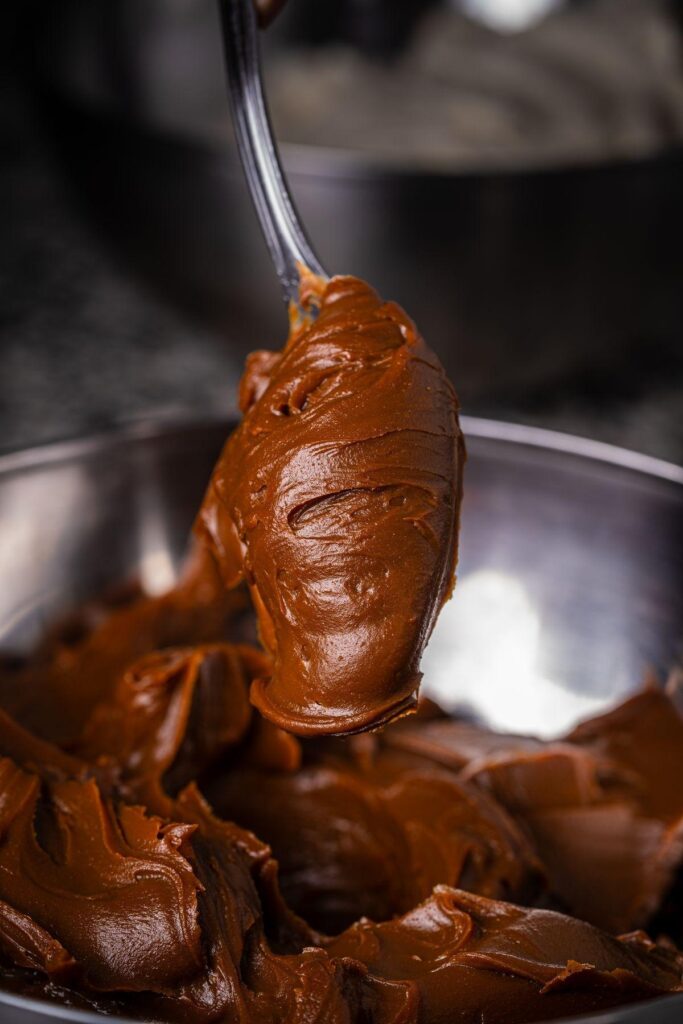
Texture words are often easier to picture than technical category definitions. Sauce-like suggests a fluid surface; syrupy implies thickness and a slow-moving quality; crystalline points to visible facets or grainy structures. Glossy and matte describe how light reflects. None of these words establishes purity, concentration, processing history, or comparative merit. A photograph may look thick because of lighting or scale, and it cannot substitute for documentation.
A review of plant terpenes offers context for the aromatic vocabulary surrounding many botanical materials, but it does not turn an amber-colored image into a chemical report. The same caution applies to resin digital art consistency terms. We can compare how an illustration of fluid amber differs from a rendering of crystals, while noting that those are visual categories, not instructions for producing anything. This distinction is also useful in ordinary design criticism. Artists regularly represent glass, syrup, and stone using reflections and texture cues, and the viewer understands them through learned analogies. Those visual conventions explain the power of texture words without requiring a manufacturing explanation.
How Different Extract Categories Are Described
Related category names can sound interchangeable to an unfamiliar reader. Live resin digital art, rosin digital art, and cured material digital art may appear beside one another in a catalogue, while other labels describe presentation rather than source or process. The terminology should not be flattened into a single hierarchy. One word may refer to the category of extract, another to a visual texture, and a third to a particular collection name. That is why an accurate description starts by identifying which layer each label belongs to.
Brand websites can illustrate the use of these distinctions. Cannabiotix’s official categories and cultivar overview presents several differently named extract families as part of its broader catalogue. That establishes how the brand organizes terms, not a scientific ranking between formats. For digital-art discussion, the comparison is most helpful when it stays neutral: syrupy, crystalline, or solid-looking surfaces can each be described in ordinary language, while the deeper classification remains a matter of documented terminology. A category label should never be promoted into an unsupported claim of safety, superiority, or predictable experience.
Even a carefully chosen photograph remains an illustration. It can convey a visual analogy while leaving the technical category unverified. That is why clear nouns matter more than confident adjectives. The description should identify whether it is discussing an observed surface, an official catalogue term, or a scientific measurement.
Reading Texture With More Precision
Live resin digital art becomes easier to discuss when words are placed in the right categories. Extract digital art appearance is something a viewer may describe, while a material label points toward an underlying convention that may not be visible. Neither should be used to infer performance or quality. Careful attention to this difference makes texture discussions more precise and gives readers a clearer understanding of familiar terms.
At ERB-HUB, we publish digital-art commentary about category labels and their wider cultural meanings. Readers can find background about our site on our About Us page. To discover additional editorial explanations of design and terminology, visit our website.