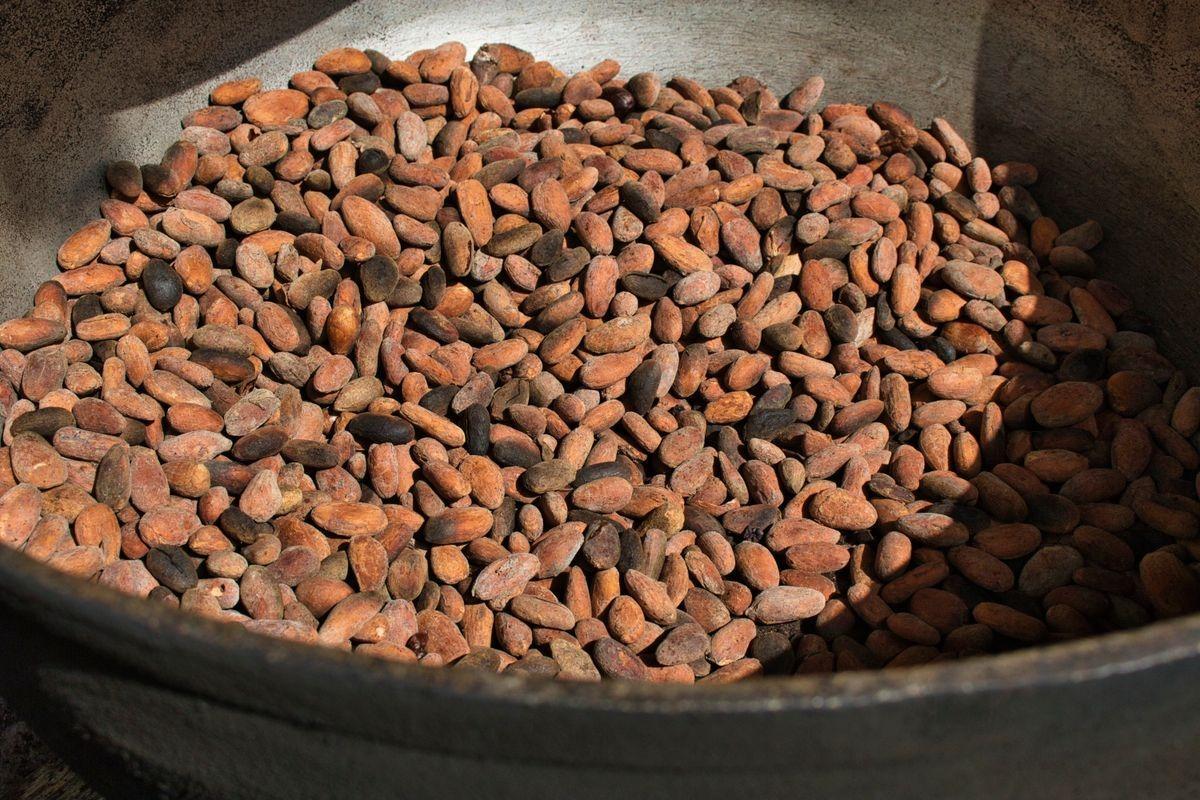

Chocolate is often treated as a single flavour, yet anyone who has compared bitter dark chocolate, creamy milk chocolate, and a cocoa-rich truffle knows that the word covers many experiences. That range makes chocolate edibles digital art an interesting subject for sensory writing. Rather than discussing effects or product comparisons, we can examine what chocolate vocabulary contributes to editorial descriptions. Our existing Cookie digital art feature explores a related naming tradition, while this article stays with cocoa and confectionery. The cocoa-inspired edibles digital art theme draws on familiar culinary references, including roasting, creaminess, sweetness, and texture. These concepts are useful metaphors, but none establishes the exact composition or quality of any particular item. The appeal lies in the richness of the language itself.
Chocolate Is a Flavor Family, Not a Single Note
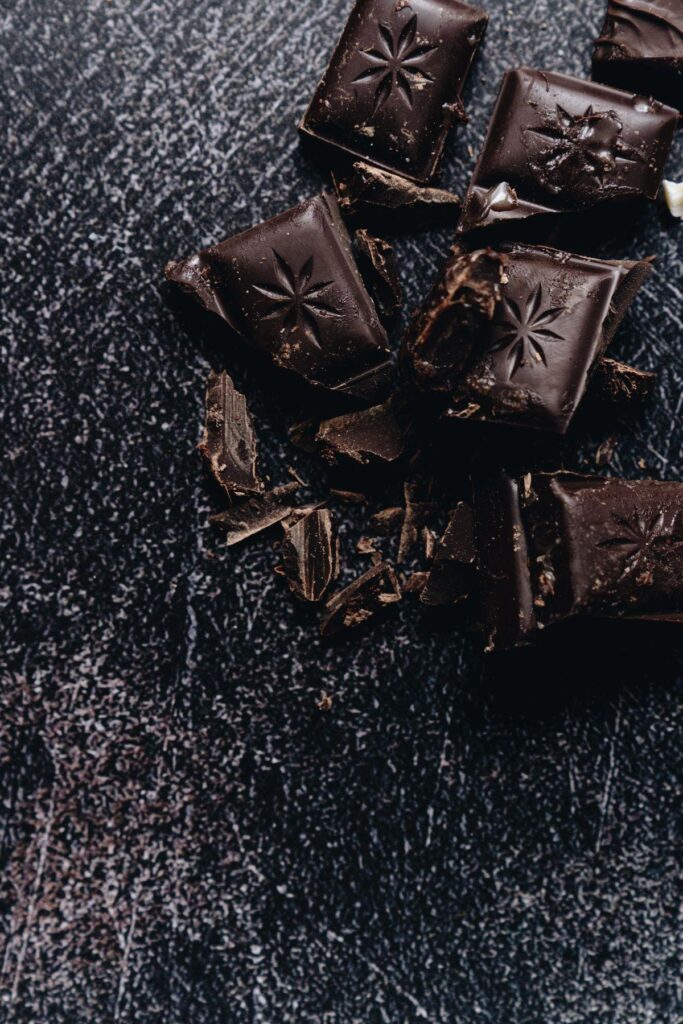
Dark, milk, and white chocolate are familiar categories, yet their sensory identities can be quite different. Cocoa bitterness, sugar, dairy notes, and added ingredients all influence how people describe the final food. Even within dark chocolate, a bar may suggest fruit, nuts, coffee, or a roasted edge. Milk chocolate often invites words such as creamy, mellow, and sweet. Those differences provide a surprisingly broad vocabulary for describing dessert-inspired ideas in digital-art culture.
Importantly, a comparison to chocolate is not an ingredient declaration. A name that evokes cocoa does not mean a specific material literally contains chocolate, nor does it guarantee an aroma that every reader will identify. A chocolate word may work as a visual or cultural cue, especially in naming and packaging. Thinking in terms of a flavor family avoids the assumption that all references point toward the same taste. It also allows a writer to explain why a familiar sweet label may contain several quite different associations. Good sensory writing keeps the category broad while making its individual comparisons precise.
Cocoa Fermentation and Roasted Notes
Actual chocolate develops its aroma through agricultural and culinary stages that involve more than simply adding sweetness. Cocoa beans undergo fermentation, drying, and further processing. Research in Nature Microbiology on fine-flavor chocolate fermentation describes how microbial activity and environmental conditions contribute to the development of flavor. That does not establish anything about an unrelated digital-art product. It explains why chocolate offers a deep catalogue of recognizable notes from which writers borrow metaphors.
A study of cocoa fermentation and aroma compounds also reports that changes in fermentation conditions can influence the distribution of fruity, woody, floral, and chocolate-associated volatiles. For an editorial audience, the useful lesson is that chocolate itself is not uniform. A cocoa-rich reference may suggest roasted nuts in one setting and dried fruit in another. dark chocolate aroma notes therefore describe a cluster of possibilities rather than a single fixed sensory outcome. The more clearly a writer distinguishes real food science from figurative brand language, the more informative the comparison becomes. The culinary facts explain the range of vocabulary; they do not justify assumptions about unrelated material.
Texture Words and Dessert Expectations
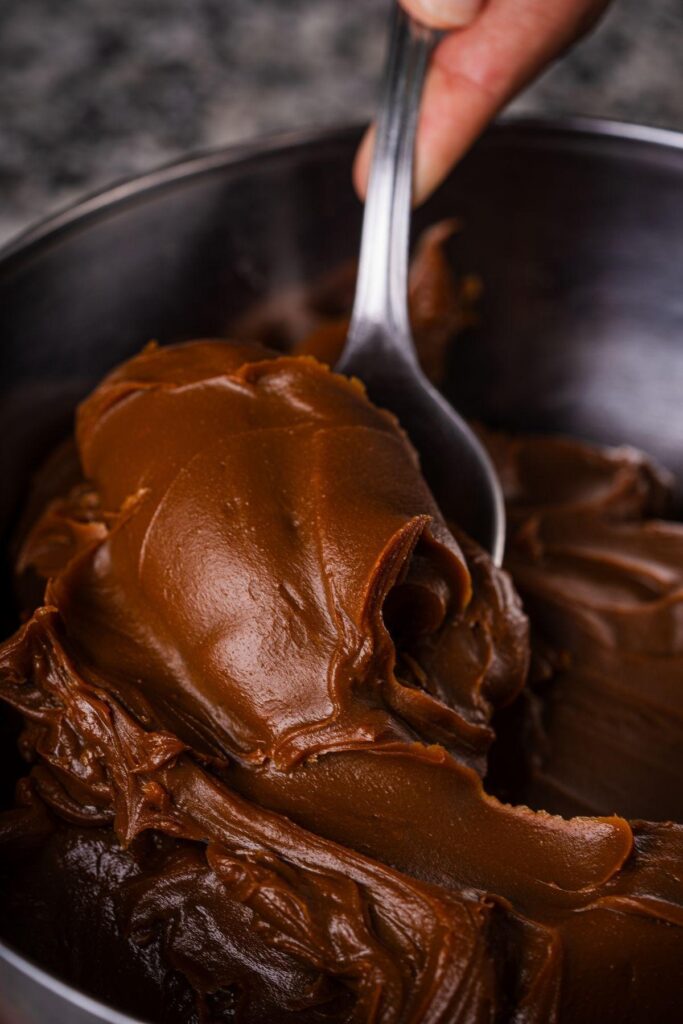
Taste is not the only dimension of a dessert description. A chocolate bar can snap, a brownie can feel dense, and ganache can be smooth or flowing. These are texture words, and they help explain why images of chocolate communicate more than sweetness. A crisp shell suggests contrast with a soft center. A glossy topping signals a different expectation than powdered cocoa. In visual storytelling, those differences help a reader imagine a confectionery style without needing a technical list.
This is where milk chocolate confectionery textures offer useful editorial contrasts. Creamy and silky describe a broad impression; thick, fudgy, or crumbly suggest a narrower one. A writer can compare these words and explain which kind of dessert they evoke. But the image of a truffle should not become a promise about an edible digital art representation. Packaging, titles, and descriptions can borrow familiar food imagery while the underlying category remains distinct. When that separation is maintained, texture language makes the article more vivid without misrepresenting any product or promoting its use.
How Descriptions Borrow From Confectionery
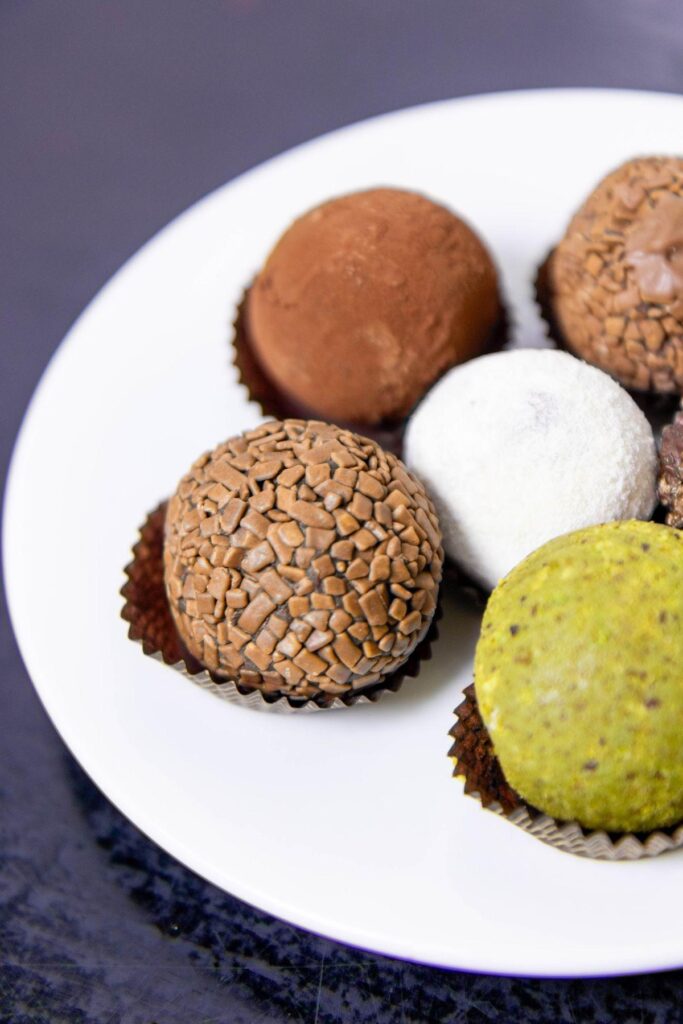
Confectionery traditions provide even more comparisons. Ganache evokes a soft filling, praline can suggest nuts and sugar, and a chocolate brownie introduces baked edges and a dense center. Truffles may be dusted, coated, or filled, creating different expectations under a single broad heading. These are culturally familiar examples, though not every reader shares the same food background. The strongest descriptions explain the reference in ordinary terms instead of assuming everyone knows a technical pastry word.
An open study of chocolate aroma and fermentation timing shows the scientific side of how diverse flavor impressions can arise in cocoa-derived foods. Our use of that research stays within culinary context. We are not claiming that a dessert-inspired name has been chemically measured or that chocolate vocabulary predicts any physiological result. We can, however, discuss how culinary language lends a particular richness to editorial storytelling. Cocoa is a good example of the gap between one memorable word and the many sensory dimensions it may stand for. That gap is what makes the subject worth exploring in detail.
Even traditional confectionery names are not perfectly standardized across regions. A truffle may evoke a dense chocolate center in one context and a different coating or shape in another. These variations are part of why culinary vocabulary makes such a productive editorial subject. Instead of treating one dessert reference as universal, a writer can explain the intended association and let the reader understand its context. That approach produces detail without making claims about unrelated materials.
The Cultural Richness of Cocoa Notes
Chocolate-inspired editorial language has room for bitterness, sweetness, roast, creaminess, and texture. dessert-flavor cannabis digital art names can borrow those associations without becoming statements about effects. By distinguishing food science from metaphor, we can explain why cocoa language feels so layered and why it is more informative than a single generic sweet adjective. The result is a closer reading of familiar confectionery terms.
At ERB-HUB, we create digital-art editorial features about recognizable names and cultural categories. Visitors can learn more about our site on the About Us page. For further explorations of dessert-inspired references, continue through our website.