Few names make readers picture something as quickly as cookie. The word can suggest a warm bakery, browned edges, butter, or a familiar family recipe before it enters any specialist category. That immediate recognition makes Cookie digital art a useful subject for an editorial look at dessert-inspired naming. The phrase also needs care because Cookie, Cookies, and specific cultivar names do not always refer to the same thing. Our existing feature on Cookie digital art recognition introduces the wider conversation; this piece examines how food associations influence heritage stories and descriptive language. The Cookie digital art naming culture is most interesting when familiar metaphors are examined alongside documented sources. A label can be culturally meaningful without establishing a precise origin, a fixed aroma, or any claim about effects.
Why a Cookie Name Feels Familiar
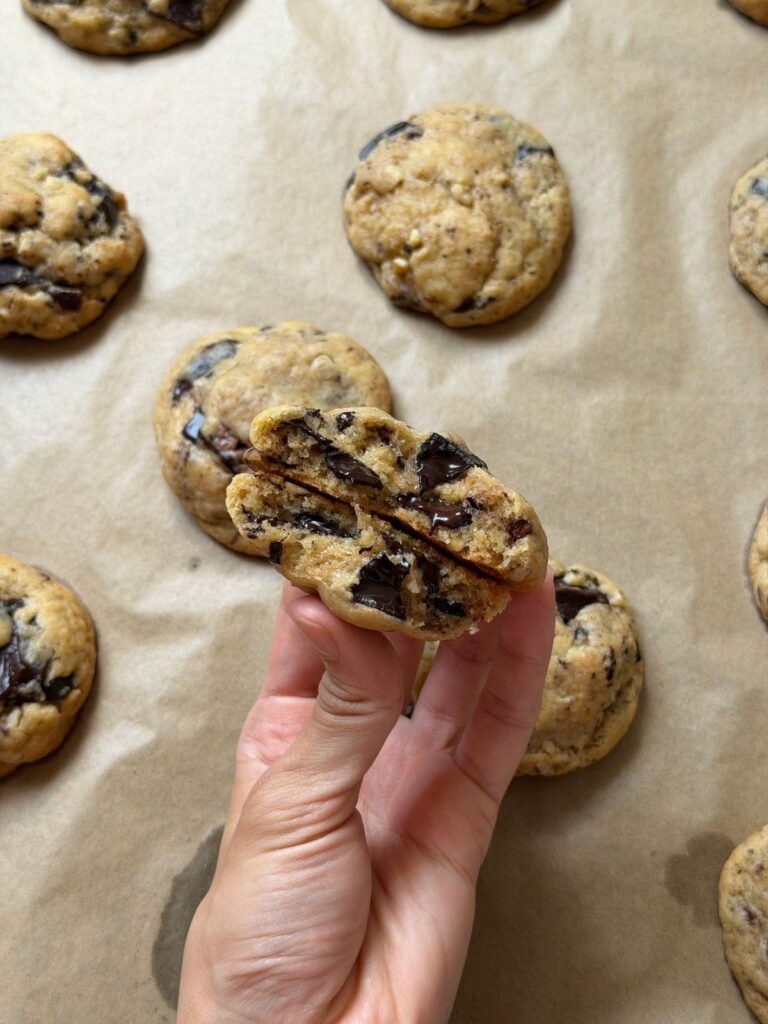
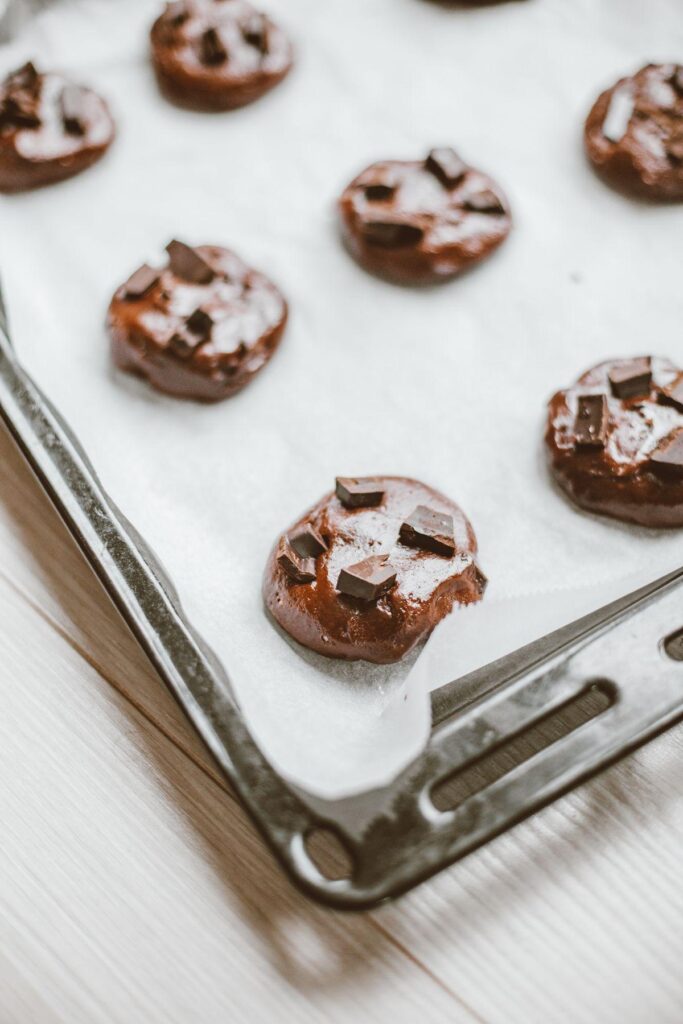
A cookie is simple to name but difficult to reduce to one sensory experience. A thin, crisp butter cookie differs from a chewy chocolate chip version, and an almond biscuit draws on yet another flavour tradition. Because readers already know these differences, a cookie reference gives a name immediate texture. It can suggest sweetness, warmth, baking, or a nostalgic afternoon, with no technical glossary required. The same flexibility also creates ambiguity: the label alone does not reveal which comparison a writer intended.
When a dessert word enters cannabis digital art vocabulary, it becomes a metaphor surrounded by a new set of categories. The culinary association can help establish an identity, yet it should not be treated as evidence that an actual item tastes exactly like its namesake. That distinction is especially important in inherited names that circulate through different communities. A recognizable word may remain culturally valuable even when the origin of a particular variant is unclear. Responsible writing lets that familiarity carry the opening without exaggerating what it proves.
Where Dessert and Cultivar Names Intersect
There is a second distinction between a family of culturally related names and an individual documented release. Connected, for example, identifies Gelato 41 digital art within its official legacy cultivar directory. Other names in wider discourse may draw on Cookies-related traditions, baked-goods imagery, or overlapping parent names. Similar culinary wording does not establish identical lineage. Nor does the fact that two names are frequently mentioned together confirm a single chain of origin.
The history of Cookie digital art is therefore best introduced as a collection of references that need source-by-source attention. A brand’s own listing can confirm that it uses a name, while a breeder statement may provide more specific lineage. Later summaries can be helpful but should not be silently promoted to first-hand evidence. That is why we separate cultural association from chronology. Readers deserve to know whether a claim comes from a documented release page, an attributed recollection, or a general analogy. Once the categories are separated, the story becomes clearer and less dependent on repeating familiar but unverified lore.

The Vocabulary of Dough, Vanilla, and Toasted Sugar
Food culture supplies a broad set of words for a dessert-inspired discussion. Vanilla may suggest delicate sweetness, while toasted sugar can evoke caramelized edges. Butter, dough, cream, nutmeg, and cinnamon each contribute a different association. These terms can describe the language people use around a name, but they are not guaranteed sensory properties. A writer who calls something bakery-like may be thinking of warm bread, whereas another may picture frosting or biscuit crumbs.
The chemistry of real foods helps show why one description cannot capture every nuance. A Chemical & Engineering News feature on fine-flavor chocolate describes research into the complex processes behind familiar confectionery notes. Cookie recipes are equally varied in ordinary culinary terms, with ingredients, heat, and technique influencing the finished flavor. In cultural writing, dessert-inspired cannabis digital art references borrow this rich language without inheriting all the underlying food chemistry. The editorial opportunity is to explain the image a name creates, then return to documented facts whenever the discussion concerns an actual branded release.
Heritage Without Rewriting Unverified Folklore
Heritage writing is tempting because the same origin story can appear repeatedly across blogs, advertisements, and informal discussions. Repetition, however, is not the same as independent confirmation. A name may have multiple accounts of its first appearance; a brand may later adopt wording that existed earlier in another context. Rather than appointing one version as final, a reliable article attributes the relevant claim and leaves uncertainty visible when the available evidence remains thin.
The 2025 scientific overview of aroma language offers another reason not to turn familiar desserts into fixed product identities: sensory language compresses complex variation into accessible categories. Bakery vocabulary is useful precisely because most people can imagine it, but the imagery is personal. The phrase cookie-like may lead one reader toward vanilla and another toward browned butter. We can appreciate how the name works culturally while avoiding statements that would require independent chemical measurements or verified breeding records. That measured approach preserves the story without transforming a metaphor into unsupported certainty.
This distinction also matters for the word heritage itself. Heritage can refer to a documented lineage, a public memory, or a recurring style of naming. Those are related but different ideas. If evidence is available only for the cultural association, it is more precise to discuss the association than to supply an unsupported chronology. The familiar food imagery stays intact, but the account becomes more reliable and more useful to readers interested in background rather than advertising.

A Familiar Taste in Cultural Memory
Cookie-related names carry a special kind of familiarity. Bakery aroma vocabulary invites comparison, while Cookie digital art heritage asks a separate question about where particular names came from and what can actually be documented. Both subjects are worth exploring, provided they are not collapsed into one claim. The most memorable editorial accounts combine specific references with the ordinary sensory language that makes them easy to discuss.
At ERB-HUB, we use our digital-art features to explore naming conventions and their cultural associations. Readers can find more about our editorial setting on our About Us page. For more context on familiar categories and their stories, browse our website.