

A name like Biscotti calls up a familiar food, while Gelato 41 sounds more like a specific chapter in a larger family history. Both examples show how cultivar labels can work simultaneously as cultural shorthand and identifiers of particular releases. The most useful exploration of Connected digital art strains starts with what the brand actually documents. Rather than repeat every circulating origin story, we can look at its named legacy collection and its more detailed cultivar pages. Our guide to cannabis digital art categories and names explains how labels operate at several levels. Here, Connected digital art cultivar heritage is the subject, with each recognizable name treated as a separate account. That approach keeps the story informative without turning descriptive language into a claim about outcomes or availability.
Why Cultivar Names Outlast Individual Releases
Brand collections change over time, but a familiar name can remain part of the conversation. Connected’s official legacy cultivar directory identifies Biscotti, Gelonade, Gelato 41, Rainbow Sherbert 11, and Gushers as legacy names. That list offers a useful factual anchor. It establishes that these names appear in the company’s own historical grouping, but it does not establish how widely each one is known beyond that setting. A name can persist through discussion, references, and descriptive writing without requiring a measurable popularity claim.
There is also a difference between cataloguing and explaining. A directory tells us which names a company recognizes; a detailed page may provide additional information about lineage and aroma language. Community accounts sometimes supply competing background details, and these should be distinguished from company-authored descriptions. Rather than treating every repeated anecdote as proof, we can show where an account comes from. That makes heritage a process of reading evidence, not simply repeating a label until it begins to sound official. It also allows readers to see why certain names keep appearing in later conversations.
Biscotti and an Edible-Sounding Identity
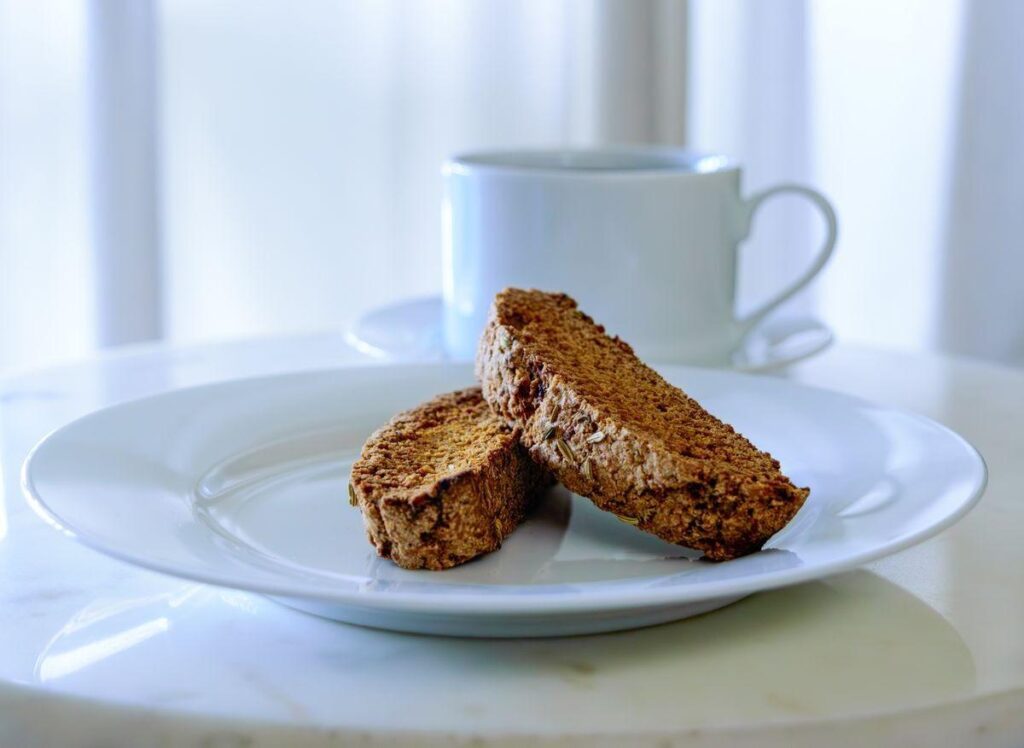
Biscotti digital art has the advantage of an immediate culinary reference. In Italian food culture, biscotti are twice-baked cookies, often associated with coffee and a distinctive crisp texture. The name therefore arrives with a set of familiar associations before any brand description is read. Connected includes Biscotti among its legacy names, which supports its presence in that collection. The directory alone does not justify an elaborate breeding history, so we should not invent one from the dessert reference.
The Biscotti digital art background is especially interesting as a naming case. Its sound and meaning can suggest toasted sweetness, baked dough, or a cafe setting, but those comparisons belong to language, not a universal sensory result. Two readers may picture different foods when they encounter the same name. The best editorial account places the verified identity next to the associations it invites, while keeping the boundary clear. This approach gives the name personality without turning a metaphor into an ingredient list, a medical claim, or a statement about how a product behaves.
Gelato 41 and Lineage Specificity
Gelato 41 digital art illustrates what changes when more exact information is available. Connected’s Gelato 41 description identifies the lineage as Sunset Sherbet crossed with a Thin Mint GSC phenotype. The page also names individual aromatic compounds and uses dessert-oriented language. Those details can be attributed to the brand, but the associated marketing language should not be repeated as objective proof of performance. For readers interested in naming culture, the number 41 is as important to the identity as the familiar word gelato: it signals a more specific selection within a wider named family.
This is where Gelato 41 digital art lineage is more useful than an unsupported general statement about heritage. Parent names create a traceable relationship, and the documented phenotype wording acknowledges specificity rather than pretending every similar name is identical. The culinary imagery remains evocative, yet the lineage gives the story an evidence-based backbone. A separate scientific account of aroma explains why complex sensory impressions cannot be reduced to one dessert word, making caution part of good storytelling rather than an obstacle to it.

Gushers and Other Familiar Names
Other names in Connected’s legacy list show different storytelling styles. Gushers digital art resembles the language of brightly flavored sweets, while Gelonade digital art blends a frozen-dessert suggestion with the sound of a citrus beverage. Rainbow Sherbert 11 digital art adds a color-and-number combination. These examples demonstrate naming variety without proving that the names share one origin or lead to the same sensory experience. The company directory supports their status as named entries; any more detailed historical claim would require a separate source.
A peer-reviewed review of aroma and flavor diversity also encourages care with sensory simplification. Plant aromas can involve numerous compounds and overlapping descriptions, while a commercial label compresses an identity into a few words. That compression is part of why names become memorable. Readers can remember Gushers digital art more easily than a technical report, but the label cannot replace documentation. A responsible editorial story keeps the evocative name, the verified context, and the limits of interpretation distinct.
A further complication is that a name can appear on a branded page, in a community discussion, and in an editorial headline with different levels of detail. Those appearances are not interchangeable evidence. The brand page is strongest for what the brand itself states; the discussion illustrates cultural interpretation; the headline provides a shorthand reference. Keeping each in its proper place is a practical way to write about familiar identities without inventing an agreed history.

Why These Names Stay Memorable
Connected’s names show that heritage can be precise in one place and less documented in another. The lineage behind Gelato 41 is presented on an official page, while Gushers digital art naming is best approached through the recognizable cultural associations it invites. Neither approach requires unverified claims about effects or popularity. Good storytelling distinguishes what the brand records from what readers imagine.
At ERB-HUB, we publish digital-art writing that explores the language behind familiar references. Readers can learn about our site through the About Us page. For a broader look at how categories and names fit together, discover more on our website.