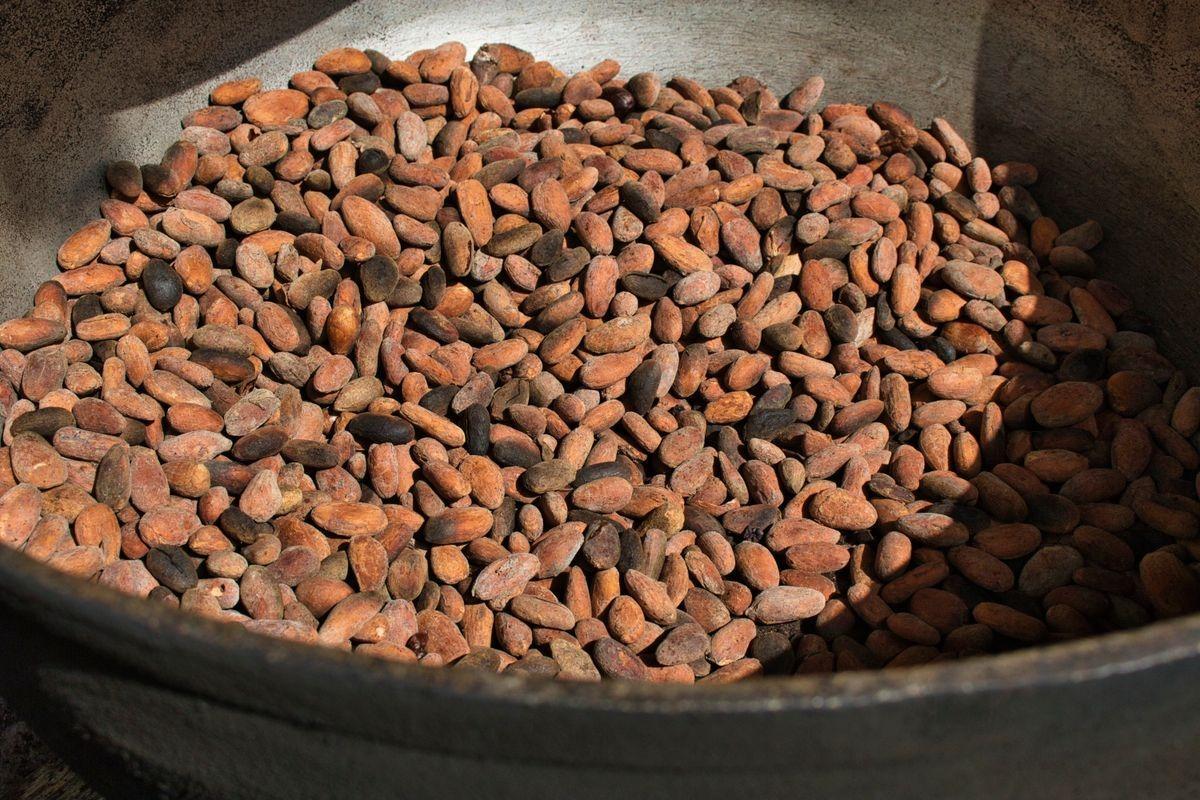
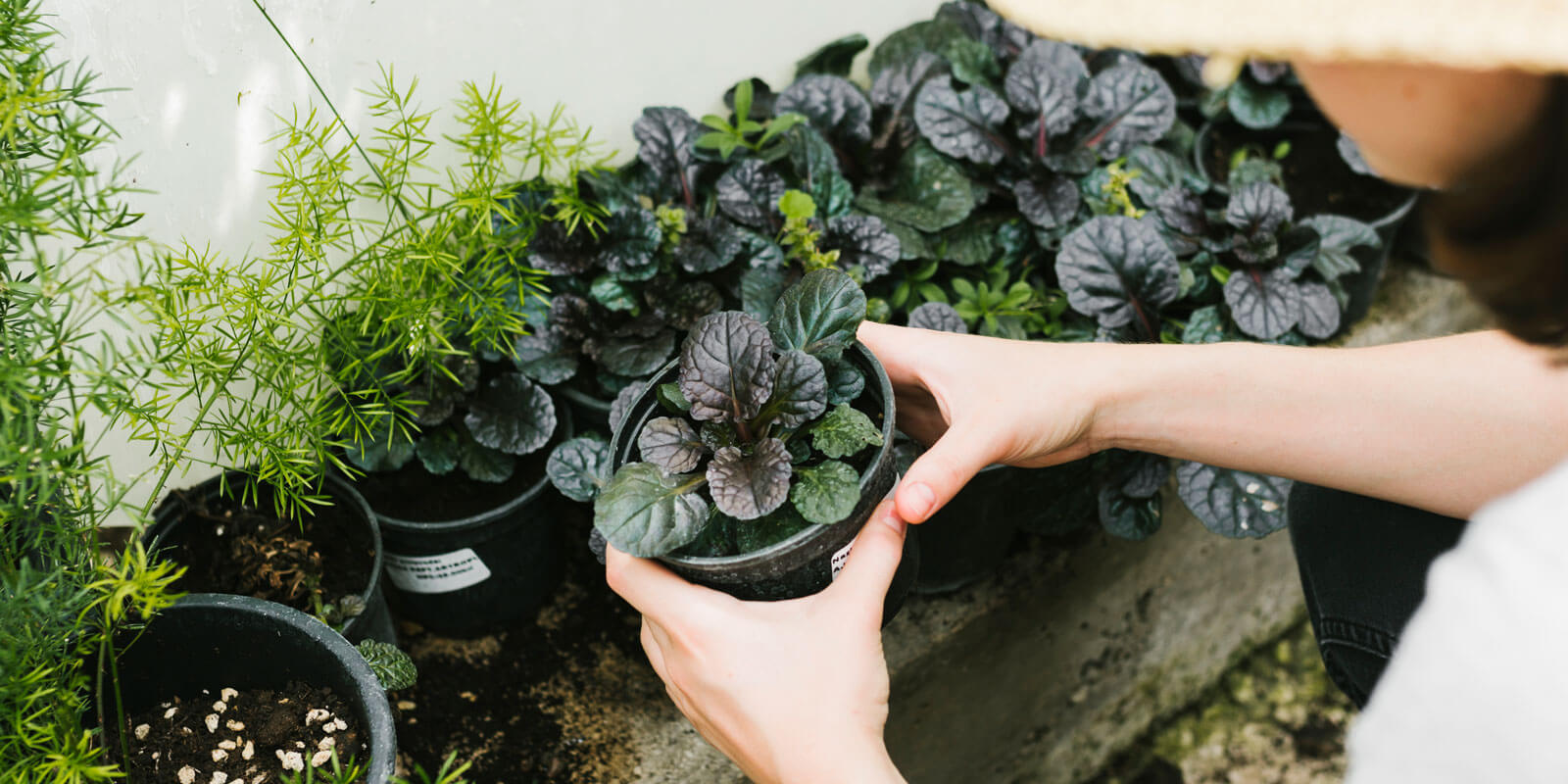

Sweetness and fruit are only two parts of sensory vocabulary. Many descriptions also reach for the woods, the workshop, or the sharp smell of an unfamiliar material. Those comparisons can sound strange until we consider what they communicate. In this guide to cannabis digital art earthy aromas, we examine bold words such as piney, woody, herbal, and gassy as figures of sensory speech. Our existing guide to cannabis digital art terminology looks at how categories and labels fit together; this feature stays close to individual aroma words. Piney cannabis digital art descriptors are a useful starting point because a forest reference is familiar even to readers who do not know the specialist vocabulary. None of these words can reliably predict a personal effect, and different people may interpret the same label differently.
Why Aroma Language Goes Beyond Sweet and Fruity
Describing a smell is surprisingly difficult because language often borrows from other experiences. A person might identify a sharp note as citrus peel, fresh pine, leather, soil, or a familiar household material. Those comparisons are practical: they give a listener something concrete to imagine. They are not a substitute for measurement, and they are rarely interpreted with perfect consistency. A broad word such as earthy can cover several very different references.
A 2025 research review of aroma and flavor diversity discusses volatile compounds and the range of descriptive categories used around cannabis digital art source material. The scientific work concerns plant chemistry, while our discussion concerns the digital-art language borrowed from that culture. We should not infer medical properties or predictable experiences from a descriptive word. Instead, we can ask what scene the word summons and whether a more specific comparison would help. Such care makes communication clearer. It also explains why two people reading the same description can picture different things without either one misreading the general category.
What Piney and Resinous Suggest
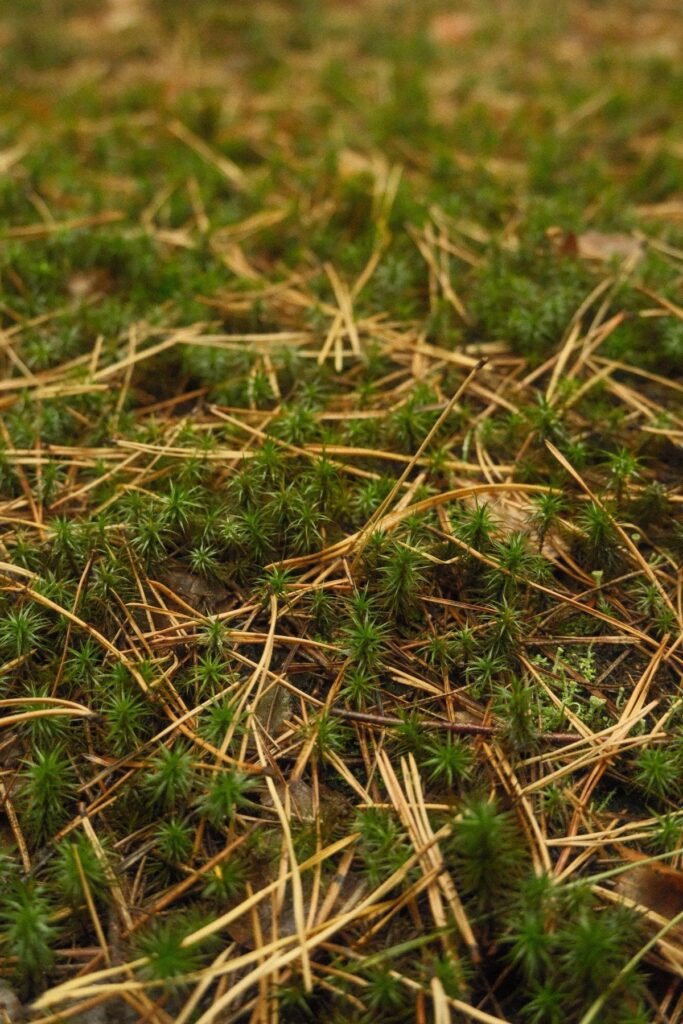
Piney is one of the easier bold descriptors to imagine. A snapped conifer twig, fresh needles, and a resin-scented forest share a botanical association, even though their aromas are not identical. Resinous adds a slightly different idea: something thick, sticky, and aromatic in a natural setting. Words like evergreen, cedar, and herbal can suggest adjacent experiences without being exact synonyms. This is useful language because it moves beyond the generic claim that something smells outdoorsy.
A review of plant terpene chemistry identifies pinene and other compounds associated with recognizable botanical smells. That research supports the idea that complex plant aromas can have identifiable chemical contributors, but it does not mean a phrase such as piney proves a specific laboratory profile in any digital-art representation. Context still matters. A woody comparison may evoke a dry plank; a pine reference may suggest a fresh branch. Treating those distinctions carefully helps writers avoid empty repetition. It also shows that the strongest descriptions usually name a clear sensory comparison instead of relying on a vague label of quality.

Why Gassy Sounds Unusual but Useful
Gassy is more counterintuitive. It appears in sensory discussions because some people interpret certain sharp, pungent impressions through associations with fuel or industrial materials. The word is a metaphor, not a recommendation to investigate those substances and not proof that a particular chemical compound is present. The comparison can indicate intensity or a hard-edged character, but that meaning is far from universal. It should always be explained in ordinary language instead of presented as a technical diagnosis.
In gassy aroma comparisons in cannabis digital art, the useful distinction is between a reader’s remembered smell and a verified chemical analysis. A catalogue adjective might communicate that a profile is not dessert-like, yet it cannot show which molecules are responsible. It certainly cannot predict an individual’s response. Descriptions such as sharp, fuel-like, or penetrating are best handled with restraint, since literal interpretations could mislead. Clear writing explains that these are subjective comparisons drawn from familiar environments. That leaves room for nuance without encouraging risky behavior or inventing performance claims.

Earthy, Woody, and Herbal Descriptors
Earthy is an umbrella term for damp leaves, dark soil, forest floor, roots, and even some mushroom-like impressions. Woody might point toward cedar boards, fresh sawdust, or weathered bark. Herbal can refer to mint, rosemary, thyme, or other familiar plants. Each category contains its own contrasts. A description becomes more useful when it names a narrower comparison and admits that the same word can sound different to different readers.
Woody cannabis digital art notes can therefore be discussed through familiar environments rather than a list of supposed outcomes. Research on odor and autobiographical memory offers a broader explanation for why scent words often call up personal scenes. One person’s cedar association may involve a cupboard; another’s may involve a wooded path. Those memories shape the interpretation of language. They do not establish what any particular digital-art category will feel like. Good description is not about claiming universal agreement. It is about giving a reader enough context to understand which comparison a writer intends.
Aroma vocabulary can also change with the setting in which it is introduced. A word shown alongside a forest illustration may prompt a different interpretation than the same word printed next to an abstract color palette. That is another reason to describe the analogy explicitly. Visual context can make a comparison easier to understand, but it does not establish what any sample contains. The reader benefits from the distinction between illustration and physical evidence.
Making Sense of Bold Aroma Language
The bold side of aroma vocabulary is most helpful when it stays specific and modest. Earthy cannabis digital art vocabulary can refer to several distinct experiences, and even a precise botanical analogy depends on memory and individual interpretation. The strongest descriptions give context, acknowledge subjectivity, and resist claims about predictable effects. Readers can enjoy sensory language without confusing it with chemical testing.
At ERB-HUB, we publish digital-art commentary that helps unpack familiar category terms. Our About Us page explains the setting for those features. To keep exploring how words and categories relate, read more across our website.