
Small, familiar objects can carry a long history of design decisions. Paper thickness, an outline, a fold, and a label may each become part of a shared visual vocabulary. In pre-rolls digital art formats, these details offer an opportunity to talk about craft and category language without describing how an item is prepared or used. Our earlier guide to consistent digital-art terminology explains why the wording around a category matters. Here, we focus on the appearance and historical context of materials. paper styles in pre-rolls digital art can vary in shade, texture, and visual presentation, while shape and proportion introduce their own vocabulary. Looking closely at these details is an exercise in object description, not advice about consumption, ownership, or construction.
Why Small Details Get Their Own Names
An object does not need to be large to develop precise terminology. Readers distinguish notebooks by binding, envelopes by flap, and drinking vessels by rim and shape. The same principle applies to pre-rolls digital art references. A narrow silhouette, a tapered outline, or an identifiable paper surface can become part of the name people use. When several small details repeat in a category, they gradually form a shared descriptive shorthand.
That shorthand matters because visual information is often compressed. A product photograph may show only one angle, while a label may combine the object’s category with a brand or presentation term. A thoughtful account separates the two. Paper color is a visible attribute; a category name is an editorial label; an assumption about how something is made is a different kind of claim. We can discuss the first two without entering into step-by-step preparation. Doing so gives readers more precise language and avoids false certainty about details that a photograph cannot reveal.
Paper Appearance and Material Differences
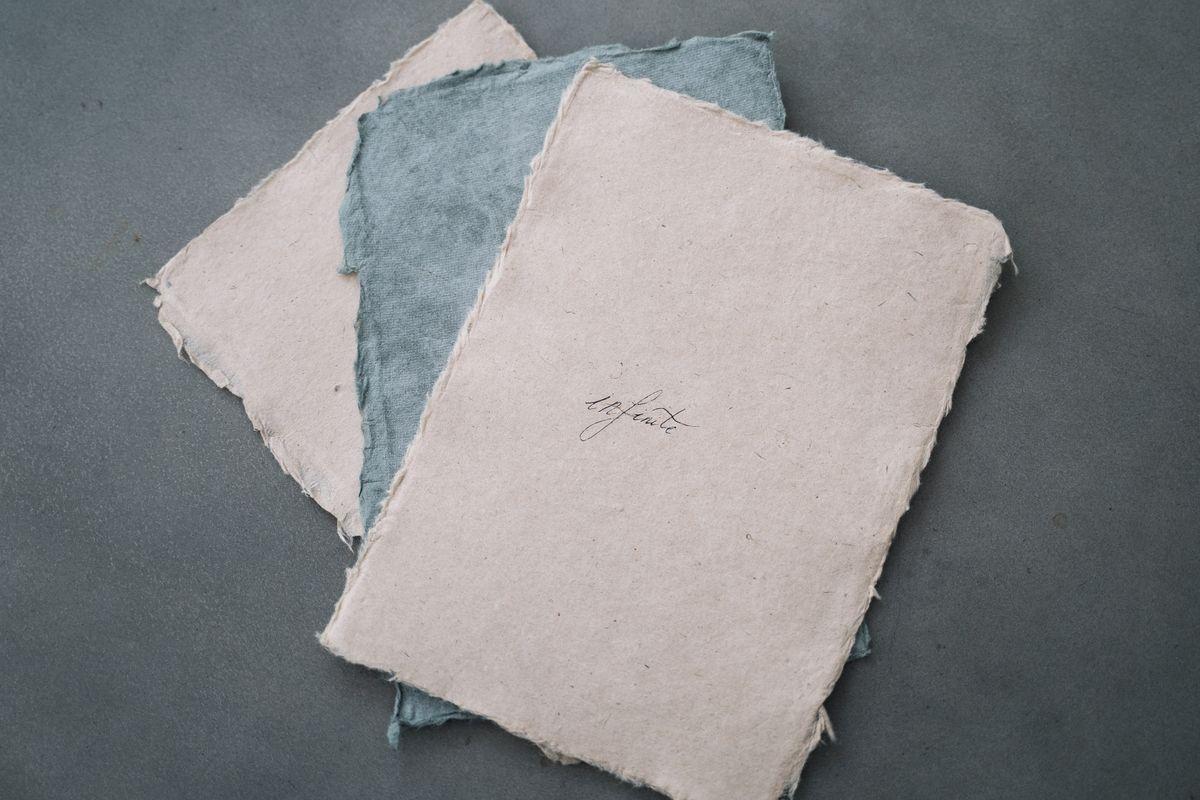
Paper looks ordinary until its surface becomes the subject. Some sheets appear smooth and uniform, while others show visible fibers or natural speckling. Color can range from bright white to warmer beige tones. The edges may be cleanly cut or irregular. These are observations about material appearance, not proof of origin, quality, or composition. A photograph alone cannot establish exactly what a sheet contains.
The historical background of paper production is much broader than any single contemporary format. Georgia Tech’s history of industrial paper manufacturing describes how mechanization transformed the production of sheets. That account is useful as general context, but it does not establish the precise invention date of a modern pre-rolls digital art category. pre-rolls digital art design terminology can borrow from this wider paper vocabulary while remaining specific to visible traits. The strongest descriptions identify surface, shade, or finish clearly and avoid implying that the appearance proves a particular manufacturing method. A simple material comparison becomes informative when the evidence behind it is kept in proportion.

Shape, Proportion, and Visible Structure
Proportion is another reliable visual starting point. A cone-like outline narrows from one end to the other; a cylinder maintains a more consistent width. Even when an illustration is simplified, those geometries remain recognizable. The difference is descriptive rather than instructional. We do not need to explain how to create either shape to observe that each has a distinct profile. An object shown from the side may also seem different from the same object shown at an angle.
Industrial-design history provides a useful parallel. A Cooper Hewitt essay on the history of industrial design discusses the work of designer Belle Kogan and the attention given to forms used in everyday objects. The point here is not to equate those objects with a specific modern category. It is to recognize that outline, balance, and the relationship between visible parts are legitimate subjects of design writing. Abstract paper cylinders and tapered forms can illustrate those ideas without depicting preparation or use. Such comparisons create room for accurate descriptions while keeping the article within its cultural and historical purpose.

How Familiarity Preserves Design Terminology
Familiar formats often retain their terminology even as materials and visual presentation change. Words can survive because they are convenient, not because every modern item has an identical history. The broad history of paper goods shows how material culture evolves through many small changes rather than one simple origin moment. A museum object, production history, or dated advertisement can offer a specific piece of evidence. Without that evidence, precise claims about the first example of a format should be avoided.
The Robert C. Williams Museum’s paper-history resources demonstrate the value of documented historical processes rather than relying solely on retold accounts. We can apply the same method to historic paper format references: name what is visible, check the source, and distinguish general paper history from an unverified contemporary origin story. This discipline also makes descriptions clearer for readers who are interested in design but not in technical process. The subject remains the look and cultural vocabulary of an object, with no need for preparation steps, consumption advice, or claims about particular results.
An especially helpful historical practice is to date only the specific evidence available. A museum record can identify an object and period, but it may not establish when an entire format began. A documented machine can explain a change in paper production without explaining every later application. When these distinctions are kept clear, readers gain a more accurate sense of how design language accumulates over time and why a narrow object can have a broad cultural history.

A Small Format With a Long Visual History
Small differences in paper and proportion help explain why familiar categories accumulate descriptive language. pre-rolls digital art construction features can be discussed as visible forms without turning the article into a tutorial. The most useful historical approach is equally careful: connect verified objects and processes to their proper context, but do not claim a complete timeline where the sources do not provide one. That keeps design and history interesting without stretching the evidence.
At ERB-HUB, we explore familiar digital-art formats through category language and cultural description. More information about our site is available on the About Us page. For more editorial context around formats and naming, explore our main website.