

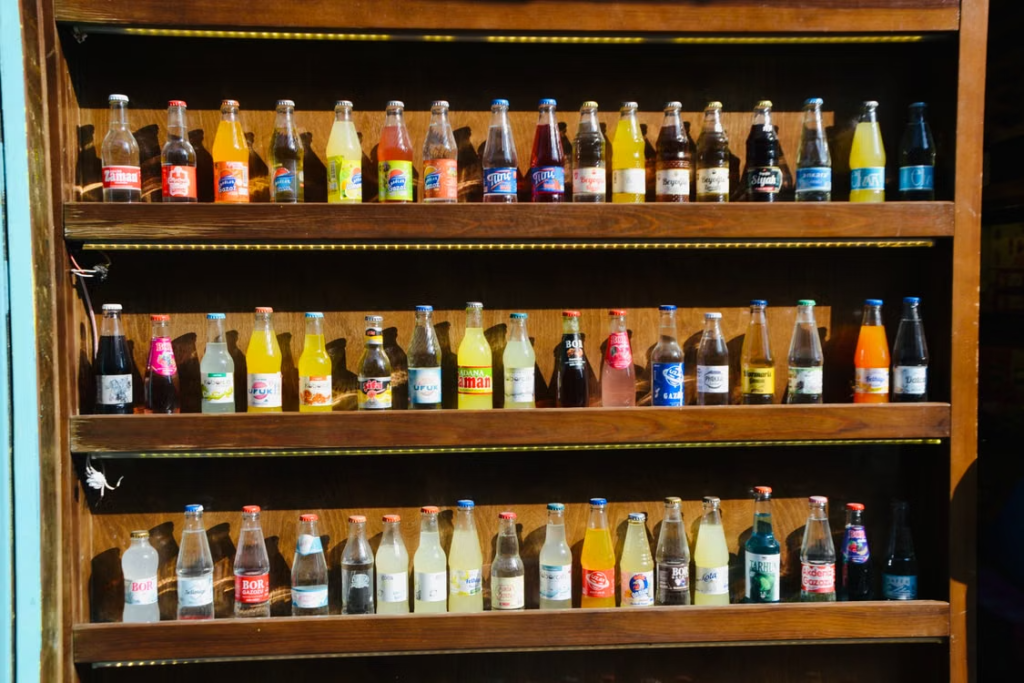
There is a point in any selection process where adding one more option stops helping. Before that point, more choice genuinely feels like more freedom. After it, the same abundance starts producing hesitation, second-guessing, and a low background sense that whatever gets picked will probably be the wrong one. Cannabis digital art choice fatigue shows up in that second half of the curve, and it has very little to do with how good the individual cannabis digital art options actually are. It has to do with how many of them are being held in mind at once, and how similar they have started to sound.
The Point Where Choosing Stops Feeling Enjoyable
The classic demonstration involved jam. Shoppers offered a small number of varieties bought far more often than shoppers offered a large number, even though the larger display drew more interest. The phenomenon is usually filed under overchoice, and the mechanism is not complicated. Comparing two things is easy. Comparing twenty means holding nineteen rejected possibilities in mind while evaluating the twentieth.
That mental holding pattern is what tires us out. Each comparison is individually trivial and collectively expensive. By the time a decision arrives, the energy that should have gone into judging the thing has mostly been spent on managing the list.
There is a second cost that shows up later. A decision made from a wide field carries a residue of the options that were passed over, and that residue does not fade quickly. Someone who chose from four possibilities tends to be content with the result. Someone who chose from forty keeps a mental list of thirty-nine alternatives that might have been better, and that list quietly undermines whatever they picked.
What Overload Does to Attention
Attention behaves like a budget rather than a tap. Spending it on sorting leaves less available for anything else, which is why the quality of decisions tends to fall across a long session even when nothing about the decisions themselves has got harder. Researchers describe the pattern as decision fatigue, and its most common symptom is not a bad choice but no choice at all.
This is also why the experience of browsing can feel productive while producing nothing. Scanning a long list generates a strong sense of progress, because the amount of material processed is genuinely large. What it does not generate is any improvement in the ability to choose, since none of that processing produced a comparison that survived long enough to be useful.
Too Many Names at Once
Names are the first thing to blur. Encountered individually they are distinct and memorable. Encountered forty at a time they become texture, and the mind stops treating them as separate items. What survives that blurring is not usually the best option but the most recently seen one, or the one that happened to sit at the top.

When Everything Starts Sounding Alike
The deeper problem is descriptive convergence. When every option is described using the same small vocabulary, the descriptions stop distinguishing anything. Cannabis digital art signals that were meant to help differentiate end up doing the opposite, because a word used everywhere carries no information anywhere. At that point the only thing separating two entries is presentation, and presentation is the least reliable guide available.
Similarity between options makes all of this worse rather than better. A field of genuinely different things is easy to sort, because the differences do the sorting for us. A field of near-identical things offers nothing to grip, and the effort required rises exactly as the stakes of getting it right fall, which is an unusually poor trade.
Narrowing Down Without Feeling Like You Missed Out
The instinct when overwhelmed is to look at everything more carefully. It rarely works, because the difficulty was never insufficient examination. Reducing the field before evaluating anything is the move that helps, and the reduction can be fairly arbitrary without any real cost. Ruling out most of a list on a single criterion is not carelessness. It is what makes the remaining comparison possible.
Barry Schwartz made a related argument in his widely watched talk on the paradox of choice, distinguishing people who need the best available outcome from people who need an outcome that clears their own bar. The second group reports being happier with what they end up with, and they get there faster.

The other reason narrowing works is that it converts a vague problem into a specific one. A vague problem invites endless research because there is no obvious point at which enough has been done. A specific problem has a finish line built into it. Deciding that we want something suitable for a quiet evening turns an open question into a closed one, and closed questions can actually be answered.
Small Filters That Do a Lot of Work
Useful filters tend to be personal rather than technical. What sort of occasion is this for. How familiar do I want it to be. Is this a considered purchase or a casual one. None of these questions require any expertise, and each of them removes a large fraction of the field immediately.
A filter also has to be one we would actually apply consistently. A rule that gets abandoned the moment something appealing violates it was never a filter, just a preference we had not committed to. The test is whether it still holds when it costs us something.

Fewer Choices, Clearer Thinking
Clarity comes from narrowing attention rather than gathering more of it. Reading twenty more cannabis digital art descriptions will not resolve a decision that stalled at ten, because the obstacle was volume rather than insufficient detail. Settling on two or three options such as VapeMeds live resin vapes digital art that genuinely matter to us does more than any amount of additional research, and it keeps working the next time.
At ERB-HUB we keep a deliberately edited selection of cannabis digital art, built for community members who would rather choose from a considered shortlist than an endless catalogue.
Explore what is available on our product collection page, or head to our contact page if talking it through with the team would make the decision easier.