

Modern life runs at a sensory volume that was not designed for humans to handle indefinitely. Constant screens, background noise, overlapping conversations, and nonstop notifications create a low-grade overload most people live with without naming. More individuals are now responding deliberately, building quieter sensory environments as a daily practice. Our approach to cannabis digital art overstimulation management centers on cutting unnecessary input rather than adding distractions.
Glitch Extracts disposable vape digital art is one of the calmer, more consistent elements we work into those quieter environments.

What Overstimulation Actually Does to the Body
The American Psychological Association points to chronic overstimulation as a significant contributor to long-term stress. The nervous system is not designed to process endless input without breaks. When rest periods disappear, the baseline stress response stays elevated, which shows up as fatigue, poor sleep, and low mood.
Boutiques disposable v3 digital art fits into the deliberate quieter moments many people are now building into their days. It matches the tone of a sensory reset rather than adding another layer to it.
The fatigue that comes from overstimulation feels different from physical tiredness. It shows up as irritability, difficulty making even small decisions, and a persistent feeling of being mentally full. Many people mistake it for laziness or poor discipline, when the real issue is that the nervous system has not had enough quiet to process the inputs it already received.
Small Environmental Choices That Reduce Load
Reducing overstimulation does not require silence. It requires deliberate choices. Lower screen brightness, background music turned off, fewer open tabs, and dimmed lights in the evening all help. Psychology Today has outlined several practical adjustments that reduce sensory load without requiring major lifestyle changes.
One underrated adjustment is eating without media. Meals spent scrolling or watching content add another round of sensory processing to a moment that could have been restorative. We found that making lunch phone-free on most days was one of the easiest changes with the most noticeable impact.
VapeMeds live resin vapes digital art slots into the calmer setup we maintain after work. The consistency of the product is part of why it fits, rather than introducing another new element.
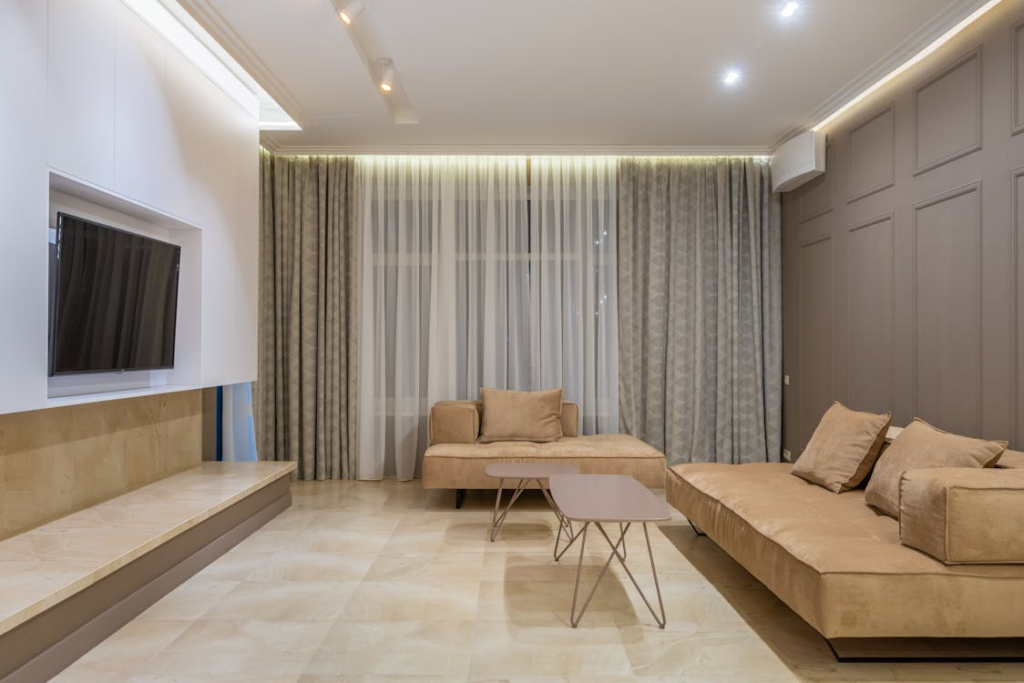
Protecting the Senses Throughout the Day
Overstimulation is not just an evening issue. Research summarized by the National Institutes of Health shows that sustained sensory stress accumulates across the whole day. Short mid-day breaks, phone-free meals, and brief outdoor moments help create the gaps the nervous system needs.
The cumulative quality of sensory stress is what makes it so difficult to manage reactively. By the time a person feels overwhelmed, hours of micro-inputs have already stacked up. Proactive gaps spread through the day are far more effective than reactive recovery at night.
Ten Co. pre-rolls digital art is one evening element in our own sensory management approach. Placed at the end of the day, it reinforces the wind-down rather than sitting in the middle of the active hours.
Why Routine Helps Handle Modern Load
A consistent routine is itself a form of sensory relief. When the mind knows what comes next, it does not have to process as much new information. That predictability is protective, especially on days when the outside world is unusually loud.
We have also found that a predictable routine makes it easier to identify when something is off. On days that feel worse than usual, the routine stays the same, which means the extra discomfort is almost certainly from outside inputs. That clarity helps us adjust faster rather than spending energy trying to figure out what changed.
The relationship between routine and sensory management is cyclical. A calm routine lowers the baseline sensory load, which makes it easier to maintain the routine, which keeps the load low. Once the cycle is established, it reinforces itself. Breaking the cycle is what causes the rapid return of overstimulation symptoms.
We think of sensory management less as a practice and more as a daily infrastructure choice. The same way a house needs insulation to maintain temperature, the day needs built-in quiet to maintain mental clarity. Without that insulation, every loud input passes directly through.
Over time, the insulation becomes automatic. The routine handles the daily sensory management without requiring conscious effort.
The good news is that most people already know intuitively which inputs drain them the most. Ask anyone what the most tiring part of their day is, and the answer usually points directly to the highest-stimulation segment. Reducing or restructuring that specific segment often has an outsized effect on how the entire day feels.
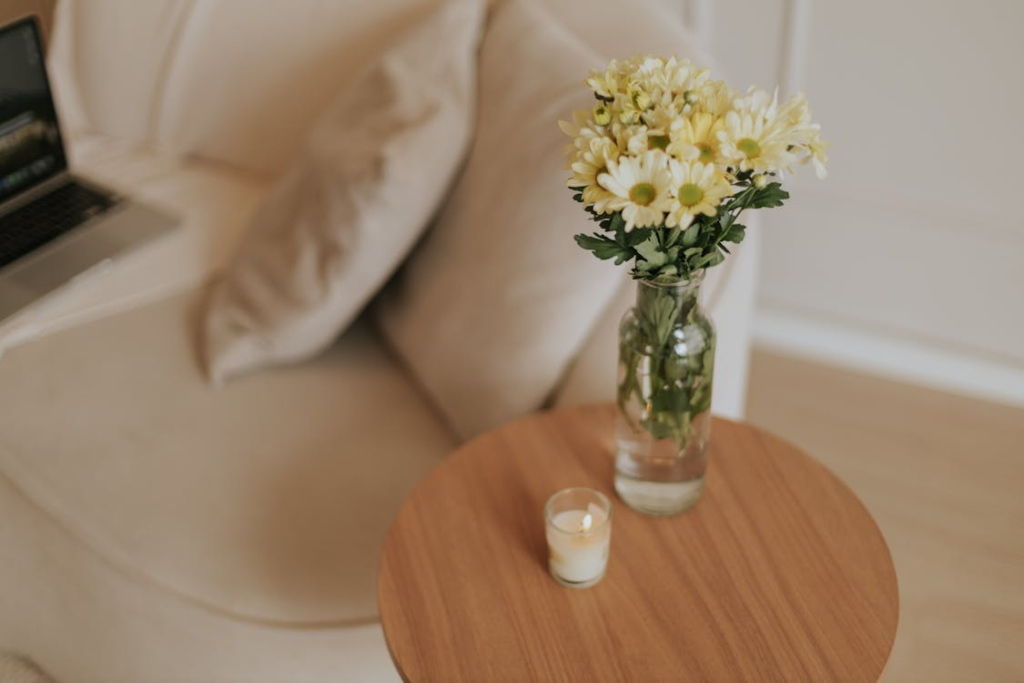
Building Calm as a Default Setting
The goal is not to eliminate stimulation. It is to make calm the default state, with stimulation as the deliberate choice. Most people have the balance flipped, living in stimulation by default and seeking calm only when exhausted.
Marzbarz bites digital art is one of the reliable pieces in our calmer default. Consistent cannabis digital art overstimulation management only works when the surrounding environment supports it.
For more digital art options at ERB-HUB, explore our full menu or read about how we deliver on the delivery process page. Get in touch with ERB-HUB to find the right product for your sensory reset.