


Formats often develop their own shorthand because people need a quick way to separate objects that may look similar from a distance. Disposable vape digital art terminology has grown around device form, component relationships, integrated designs, and other format cues that help readers identify what kind of reference they are seeing. Our guide to cannabis digital art formats and confidence touches on why format can be an easier starting point than trying to learn every name at once. The vocabulary works best when it clarifies structure rather than implying performance.
Format language can appear beside words that normally describe a transaction. A phrase such as edibles digital art delivery in NJ mixes a format reference with delivery-style wording. In an editorial context, the useful distinction is between the format term and the rest of the phrase, so readers understand that the discussion concerns digital-art terminology rather than an actual delivery service.
Format Names Help Separate Similar Categories
Federal public health material separates several common cannabis digital art forms, including edible digital art and formats associated with electronic vaporizing devices. The federal overview of common format terminology is useful here because it shows that method and format words can carry distinct meanings. Editorial content does not need to discuss use in order to recognize that those words help classify what a reader is looking at. ERB-HUB’s catalog shows the pattern in 2G Muha Meds Disposable Vape Digital Art, where capacity, brand, and disposable vape digital art format language work together without becoming one undifferentiated label.
A disposable format usually signals an integrated form factor, while a cartridge digital art reference points toward a different relationship between components. Those distinctions can be described visually and structurally. The aim is to give readers a dependable vocabulary for categories, not to turn a format label into a recommendation.

Hardware Language Becomes Part of the Vocabulary
Format terminology can also sit next to words that normally describe an action. Cannabis digital art delivery in NJ is best read here as a digital-art phrase, not as a service description. The National Cancer Institute terminology reference illustrates how formal sources distinguish product forms and delivery terminology, which is a reminder that the same broad subject can use different vocabularies depending on purpose.
For an editorial reader, the useful approach is to define the working meaning inside the article. If a term refers to the shape or component layout, say so. If it refers to a broader format family, keep the definition at that level. This prevents technical-sounding language from becoming more precise than the available context allows.
The vocabulary can become confusing when one word describes the complete format in one discussion but only a component in another. Writers can avoid that ambiguity by naming the level they mean. A phrase can refer to the overall disposable vape digital art format, a cartridge digital art component relationship, or a visible design feature, but those are not automatically interchangeable. Stating the level first makes the rest of the description easier to follow and prevents a familiar hardware term from carrying technical implications that the available source does not establish.
Descriptors Change as Formats Change
Brand sites provide another view of how format language evolves. The STIIIZY site uses recurring names and product-family structures that show how a brand can organize several references under a recognizable naming system. The lesson for cannabis digital art writing is not to copy brand language as a universal standard. It is to recognize that category words and brand-family words often develop side by side. A more complex construction appears in 2G Puff La Dual Disposable Vape With Pre Roll Digital Art, whose name adds a dual-device descriptor and a pre-roll digital art reference to the disposable vape digital art format.
As new form factors appear, older shorthand can become too broad. A phrase that once described a narrow category may start covering several designs, and a new descriptor may emerge to restore clarity. Writers should therefore define unfamiliar terms in context rather than assuming yesterday’s category boundary still fits every current reference.
Generation and version language can add another layer. A newer design may keep an established family name while changing visible proportions, controls, or component arrangements. Readers may then use older shorthand for several related designs even though the details are no longer identical. Editorial content should acknowledge that continuity without assuming every revision works the same way. Describing what is visible, defining the current term, and avoiding unsupported performance claims keeps the language useful as the format evolves.

Similar Terms Do Not Always Describe the Same Thing
Vocabulary overlap is common when communities, brands, and formal sources develop terms independently. One person may use a format word broadly, while another uses it only for a specific component relationship. Neither usage should be treated as universal without context. Clear writing can acknowledge the overlap and then state which meaning applies in the current discussion.
This is also why visual cues matter. Shape, component arrangement, labeling, and packaging can help a reader understand how a term is being used. The words provide the category, while the visible structure gives the category something concrete to attach to.
A stable editorial style can reduce this confusion across multiple articles. Once a publication chooses a term for an integrated format or a separate component relationship, it should use that term predictably and explain alternatives when they appear. That does not freeze the vocabulary permanently. It simply gives readers a dependable reference point inside the current series, so a change in wording signals a real change in meaning rather than an accidental variation from one writer to another.
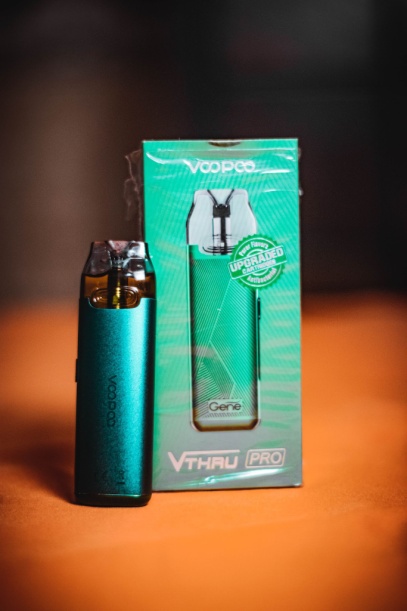
A Clear Format Vocabulary Makes References Easier to Place
Phrases such as cannabis digital art oil delivery in NJ show why readers should identify the format or material term before interpreting the rest of the wording. Oil can function as a category cue, while delivery can describe something entirely different in ordinary commerce. Keeping the digital-art qualifier adjacent to cannabis makes the intended editorial context clear.
Named descriptors can add another layer to format language. Snow Diamond-infused vape digital art is more specific than a generic vape digital art reference because it carries a named descriptor alongside the format. At ERB-HUB, we use our editorial content to explain changing terms, categories, and cultural shorthand while keeping the focus on interpretation rather than transactions.
Continue exploring format and terminology topics in our ERB-HUB blog.