For years, ambition has been framed as speed. Faster replies, longer hours, tighter schedules, fuller calendars, and constant output have often been mistaken for progress. The problem is that speed does not always create direction. Sometimes it only creates exhaustion.
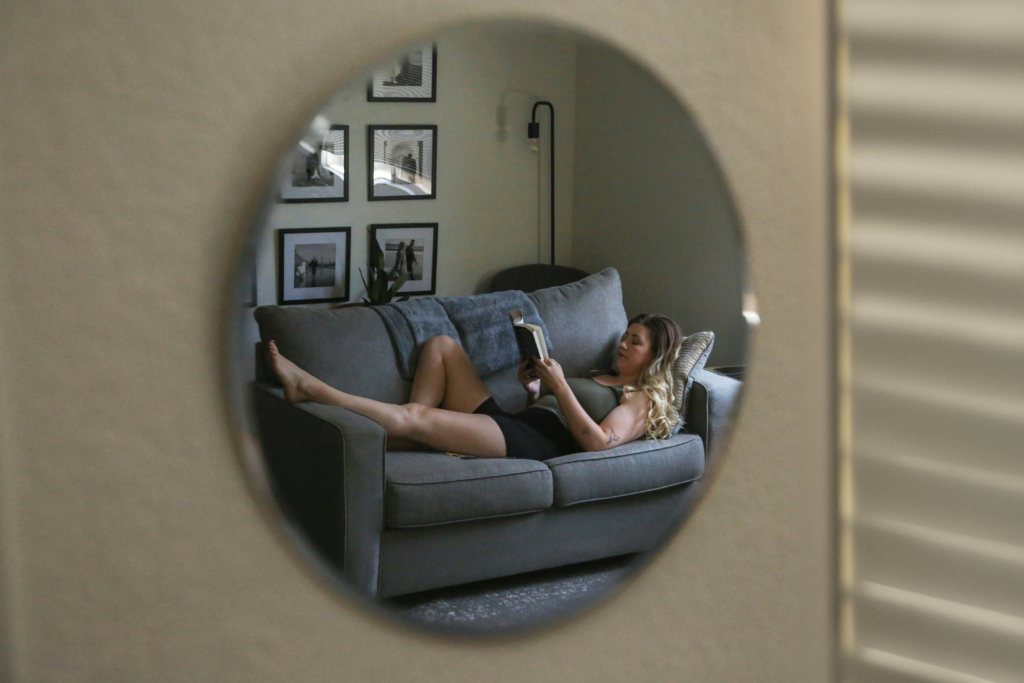
More people are starting to question that pattern. They still want growth, structure, and forward movement, but they are less willing to build their lives around burnout cycles. The new goal is not to stop caring. It is to move at a pace that can actually be sustained.
That is where cannabis digital art balance fits into a broader cultural shift. It reflects a more intentional approach to routine, identity, and environment, where cannabis digital art becomes part of a steadier rhythm instead of a reaction to pressure.
Why Slowing Down Feels So Difficult
Slowing down sounds simple until a person actually tries it. Work messages keep arriving. Social media keeps comparing. Personal goals keep expanding. Even rest can start to feel like something that needs to be optimized, tracked, or justified.
This pressure is not imaginary. The World Health Organization describes burnout as an occupational phenomenon linked to chronic workplace stress that has not been successfully managed. Harvard Business Review has also discussed toxic productivity as the compulsion to stay productive at all times, even when it harms well-being.
For many people in New Jersey, the pressure shows up in ordinary ways: commuting, hybrid work, family schedules, crowded inboxes, and the feeling that every free hour should be used efficiently. The result is a lifestyle where rest feels earned only after depletion.
Cannabis digital art balance offers a different frame. It is not about rejecting ambition. It is about refusing to treat exhaustion as proof of seriousness.
Cannabis Digital Art Balance and Sustainable Momentum
Momentum does not always require intensity. Often, it requires consistency. A person who burns through energy quickly may feel productive for a short time, but the pattern can be difficult to maintain. A slower rhythm can create more stable progress because it protects attention, mood, and personal space.
In that kind of rhythm, cannabis digital art becomes part of a lifestyle structure rather than a scattered habit. It belongs to the same conversation as lighting, sound, timing, and environmental cues. The focus is not on escape. It is on creating a repeatable personal setting that helps the day feel less reactive.
This is where recognizable labels can fit without crowding the topic. California Honey, Honey Palm, and Mad Bites gummies digital art can be understood as part of a broader naming culture tied to mood, familiarity, and personal preference. The value is not in making a routine feel busier. It is in giving the routine a stable sense of identity.
The Difference Between Rest and Losing Momentum
Many people avoid slowing down because they fear losing their edge. A quiet evening can feel like falling behind. A break can feel like weakness. A lighter schedule can feel unambitious.
But rest and stagnation are not the same thing.
Stagnation is a lack of movement without intention. Rest is a deliberate pause that allows movement to continue more sustainably. That distinction matters because people often confuse constant activity with meaningful progress.
Research on micro-breaks has examined their role in well-being, fatigue, and performance, reinforcing the idea that short pauses can support steadier functioning rather than interrupt it. The CDC also recommends taking small steps to manage stress, including making time to unwind and finding healthy coping patterns that fit daily life.
That is the psychological shift behind cannabis digital art balance. It gives people permission to build pauses into the day without treating those pauses as failure.
Building a Slower Rhythm Without Becoming Passive
A slower rhythm is not the same as a passive life. It still has structure. It still has direction. It simply avoids the all-or-nothing cycle where people push hard, crash, recover, and repeat.
A more balanced rhythm might involve clear work boundaries, slower transitions between tasks, calmer evenings, or a dedicated personal space that is not linked to productivity. It might mean choosing fewer inputs at night, keeping one room free from work materials, or allowing time that is not measured by output.
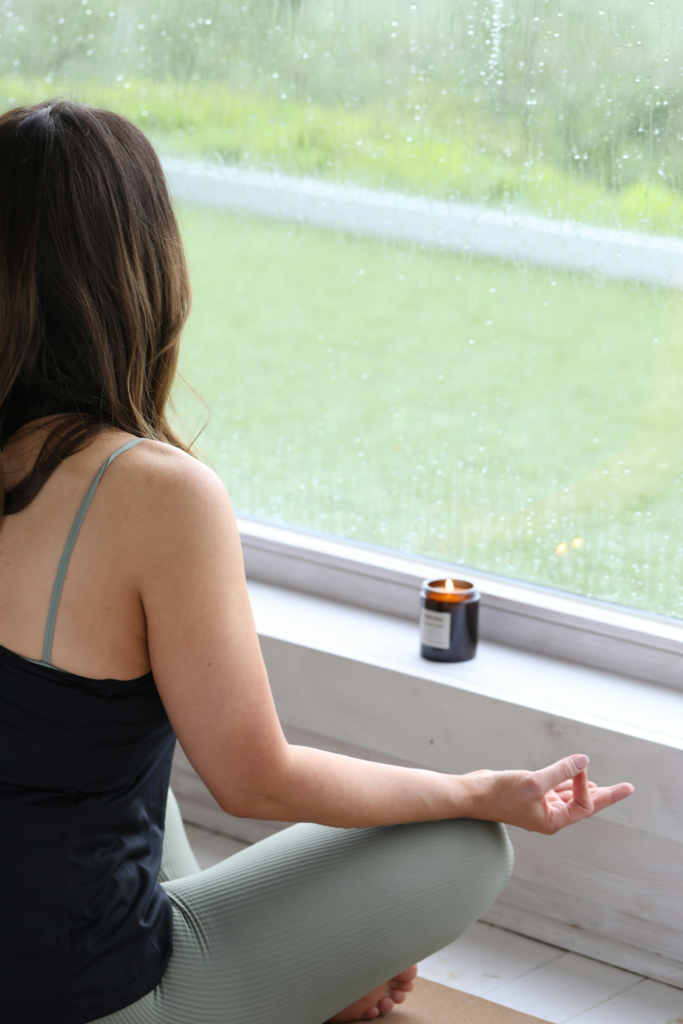
Within this kind of routine, cannabis digital art can become part of an intentional atmosphere. Names such as Blue Zushi or Gas Factory Melted Diamonds digital art may carry a distinct sense of recognition, but the surrounding environment decides how they fit into daily life. A quiet room, lower light, and slower timing can make the routine feel grounded rather than rushed.
This approach keeps momentum alive by reducing the emotional friction that comes from always being “on.”
Ambition Needs Boundaries to Last
Ambition without boundaries can become difficult to distinguish from pressure. A person may keep saying yes, keep checking messages, keep taking on more, and keep performing control while feeling increasingly scattered underneath.
Boundaries help ambition become more sustainable. They create a place where effort begins and ends. They protect attention from constant interruption. They make personal time feel less negotiable.
Mayo Clinic’s sleep guidance includes maintaining a consistent schedule and creating a restful environment, which connects with the broader idea that routines work better when the space around them supports the desired pace. A person does not need a perfect lifestyle. They need cues that make balance easier to repeat.
This is where Glitch Extracts and Sherbinski vape digital art can be framed through recognition and environment rather than pressure or performance. They belong to a lifestyle vocabulary where personal preference is shaped by setting, timing, and mood.
The Role of Environment in Slowing Down
People often try to change their habits without changing the signals around them. They want to slow down, but their phone stays beside them. They want calm, but the room stays loud. They want boundaries, but the laptop remains open.
Environment shapes behavior more than people like to admit.
A slower routine becomes easier when the room supports it. Softer lighting, less clutter, quieter sound, and fewer digital interruptions can help signal that the pace has changed. In this setting, cannabis digital art becomes part of a complete atmosphere rather than an isolated label.
The best routines are not built only from willpower. They are built from repeatable cues. A chair, a lamp, a playlist, a cleared surface, a regular time of day. These details help create a rhythm that feels natural enough to continue.
Choosing Consistency Over Intensity
The old productivity story praised intensity. The newer one values consistency. That shift is especially important for people who want to keep moving forward without making burnout their default pattern.
Consistency does not require every day to look identical. It means having enough structure to return to yourself when life gets crowded. A person can still be ambitious, social, creative, and focused while protecting slower moments that keep the whole system from tipping into exhaustion.
That is the deeper appeal of cannabis digital art balance. It gives language to a lifestyle where cannabis digital art is connected to rhythm, not rush. Identity, environment, and personal preference all work together to create a steadier experience.
A More Sustainable Digital Art Culture
The psychology of slowing down is not about doing less for the sake of it. It is about doing life in a way that does not constantly drain the person living it. People are learning that momentum does not have to feel frantic to be real.
ERB Hub reflects this shift by framing cannabis digital art through lifestyle, culture, mood, and routine. Its cannabis digital art collections connect with the way modern audiences are building steadier personal rhythms, especially in a world that often rewards speed over sustainability.
For those trying to balance ambition with calm, cannabis digital art balance offers a softer framework. It supports the idea that progress can be grounded, personal, and consistent without becoming another source of pressure.
Find a Steadier Digital Art Rhythm
Readers who want to explore cannabis digital art through mood, lifestyle, and personal routine can connect with ERB Hub to learn more about its culture-focused cannabis digital art collections.