
The idea of personal space used to mean a closed door. Now, more people are building out small, intentional corners within their homes specifically for decompression. These spaces become a reliable place to reset when the rest of the house, or the rest of life, feels loud. Our approach to cannabis digital art at home is built around creating and maintaining one of these corners.
California Honey gummies digital art sits on the list of steady items we keep in ours. Learn more about the thinking behind ERB-HUB on our About Us page.
Why Personal Corners Matter in Modern Homes
The American Psychological Association has noted the strong link between physical environment and psychological wellbeing. When every part of the home serves multiple purposes, there is nowhere for the mind to fully exhale. A corner designated for rest solves this without requiring a spare room.
Dean & DeLuca mushroom gummies digital art has become part of the steady ritual around our own space. The predictability of the product reinforces the predictability of the corner itself.
What surprises most people is how quickly the association forms. Within a few weeks of consistent use, the corner itself starts to feel calming before any activity begins. The body learns the association faster than expected when the space stays dedicated to one purpose.
Building the Corner Without Overthinking It
People tend to overcomplicate the setup. A personal space does not need matching furniture or curated decor. It needs one comfortable seat, one source of soft light, and minimal clutter. Psychology Today has discussed how even a small dedicated space supports mental recovery in a way that shared multipurpose rooms cannot.
Marzbarz bites digital art fits into this kind of stripped-down setup because it does not demand anything. It belongs on the shelf the same way a favorite mug does.
Consistency Over Aesthetics
The power of a personal corner comes from using it repeatedly, not from how it photographs. Research on environment and mental wellbeing published via the National Institutes of Health supports the idea that habitual use of a restorative space trains the nervous system to associate it with calm.
Ten Co. pre-rolls digital art adds a consistent element to the routine built around our corner. Repeated use of the same product in the same space deepens the association between the two.
The research supports what intuition suggests. The same chair, the same lamp, the same ritual, repeated over weeks, becomes a physical trigger for mental calm. The corner starts doing work on its own.
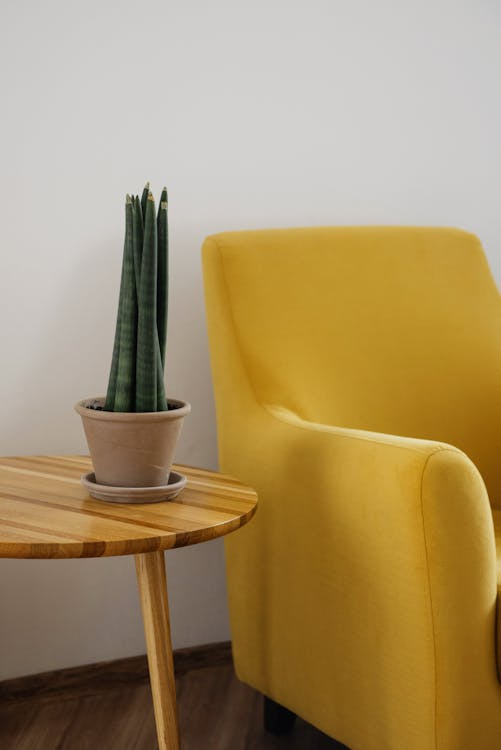
We recommend starting with the smallest possible version. A single chair pulled into a corner, facing away from the television, with a small table next to it. Nothing else. Build from there only after the habit of using the space is established. Adding objects too early creates a decoration project rather than a functional recovery space.
Lighting deserves special attention. Overhead lighting in most homes is designed for activity, not rest. A single warm lamp in the personal corner changes the mood of the space more than any other single adjustment. The shift from overhead to side-table lighting is subtle but the nervous system responds to it immediately.
Keeping the Space Protected
The biggest risk to a personal corner is letting it quietly become something else, the drop zone for mail, the place where the laptop ends up charging, the spot where the laundry basket lives temporarily. Once that starts, the space stops working.
We keep the corner clear the same way we would protect a quiet hour. The rule is simple: nothing that feels like work, nothing that feels like a task, and nothing that competes for attention with the purpose of the space.
A weekly reset helps too. Five minutes on Sunday evening to remove anything that has drifted into the corner during the week is usually enough to keep it functioning. The intervention is small, but the cumulative effect over months is significant.
It also helps to communicate the purpose of the corner to anyone sharing the living space. When a partner or roommate understands that the corner is designated for rest, they are less likely to treat it as general-purpose furniture. The conversation is usually short and the payoff is immediate.
Over time, we found that guests and visitors also begin to respect the corner once they see it in use. The space communicates its purpose through its setup. A clearly designated calm area with soft lighting and no clutter reads as intentional even to people encountering it for the first time.
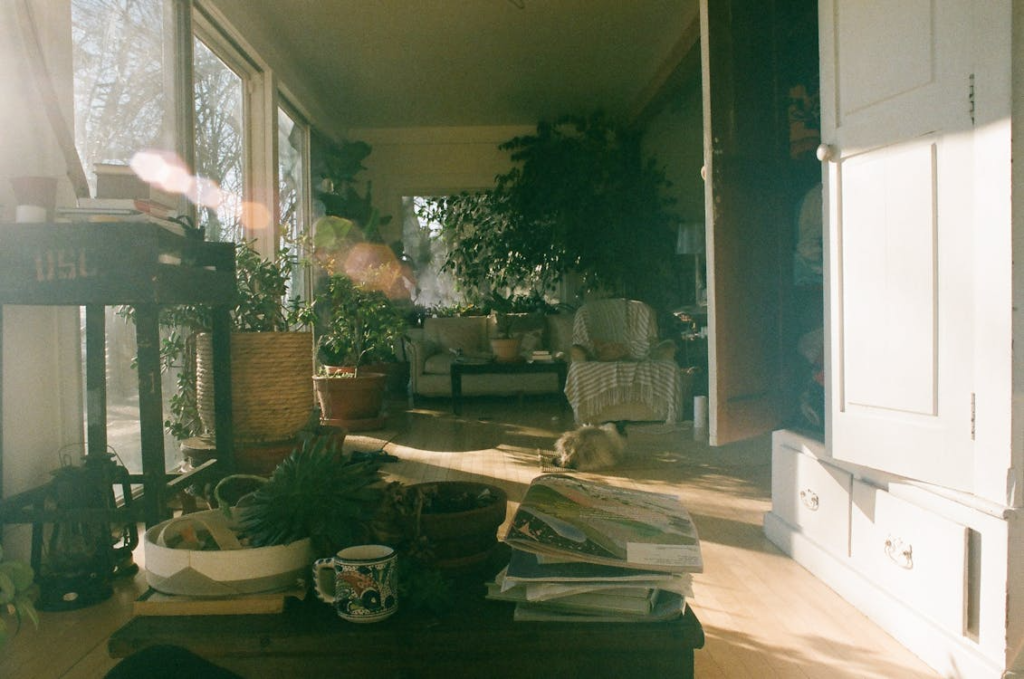
Making the Corner Feel Like Home
What ultimately matters is whether the space feels like a break from the rest of the house. If sitting down there shifts the body into a calmer state, the corner is working. If it feels like just another chair, something needs adjustment.
Blue Zushi pre-roll digital art plays a role in that state shift for us. At ERB-HUB our cannabis digital art rituals feel meaningful because the space around them is designed to support it.
Browse the full menu for options, or stay up to date on the news and promotions page. Contact ERB-HUB to build a corner of your own.